
jogos do Paulistão hoje: Match Previews in Brazil in 2026
Upcoming Matches
Times are listed so you can stack alerts. If two matches overlap, pick the league you actually follow rather than trying to watch both on paper.
Follow jogos do Paulistão hoje with context before kickoff: recent form, likely team setups, home advantage factors, and what each matchup could change in the round. This page brings together editorial previews for those just starting to follow the championship and those already watching pressure, transitions, use of space, and squad management. Today's Paulistão games depend on the official schedule and any broadcast or time changes; therefore, always check the latest update in the scores and matches section. We do not publish future results as if they were confirmed: analyses and trends are presented as pre-match assessments, while figures for completed matches should be checked in the corresponding match report.
The focus is to explain the matchup, not promise a script. A positive run can indicate confidence, but it does not eliminate the influence of absences, a congested schedule, or tactical changes. To find related coverage, visit jogosdopaulistaohoje.vip.
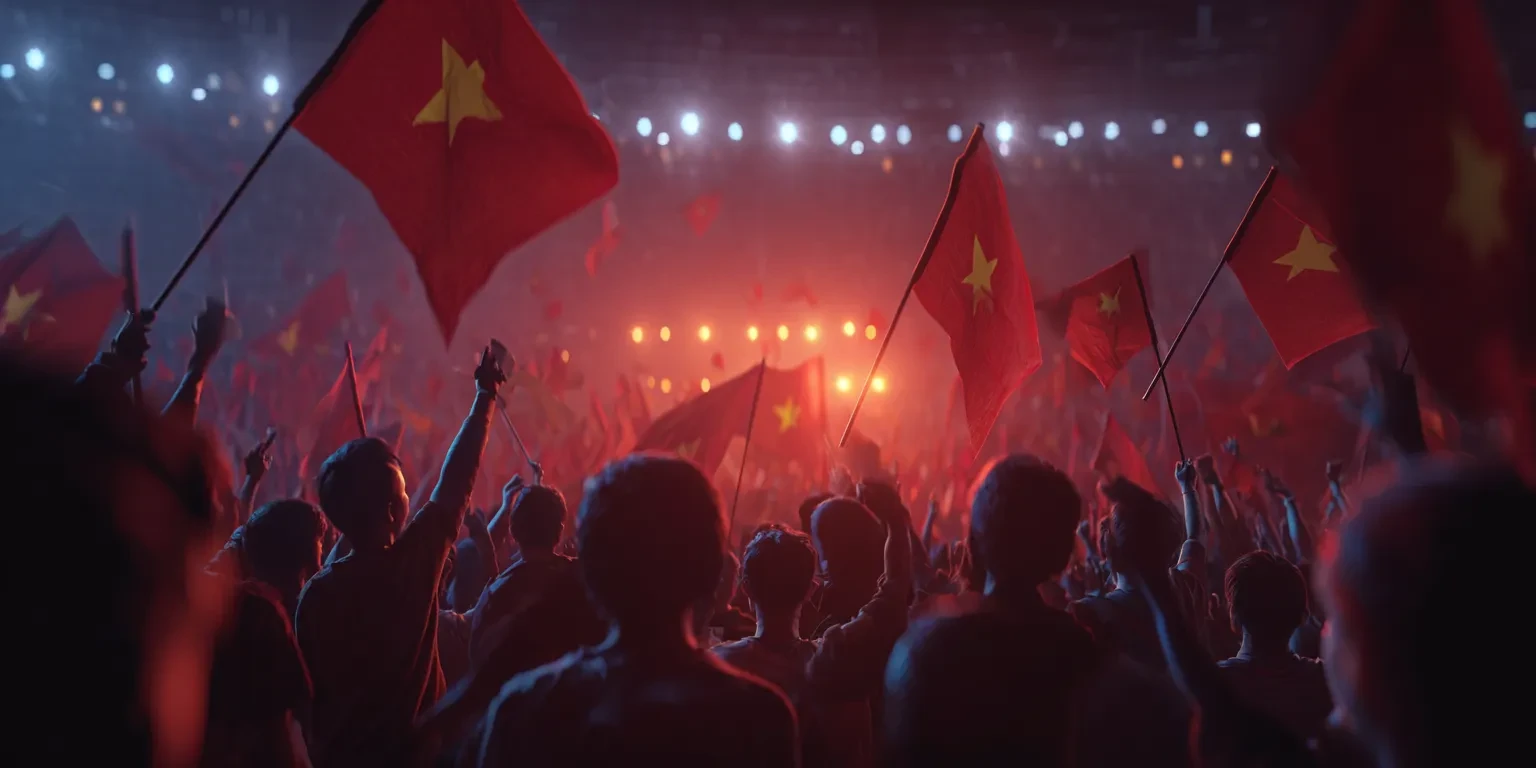



How to interpret today's Paulistão games before kickoff
A useful preview starts with the right question: what does each team need to solve on the pitch? In the Paulistão, the stage of the championship, the group format, and the proximity of national fixtures can change a club's priorities. A team that usually presses high may sit deeper away from home to protect the central channel; another, accustomed to building patiently, may speed up play down the flanks against a defense that leaves space in behind. The analysis considers these possibilities without treating a trend as a certainty.
First, look at the recent run, but don't reduce the analysis to a tally of wins. The quality of the opposition, home advantage, and how the results were achieved help distinguish consistent performance from a run shaped by specific circumstances. It's also worth tracking attacking output and protection of the penalty area: shots, chances conceded, and control of second balls offer more complete signals than any single indicator. When the results page is updated, compare these figures with the match context, not just the league position.
To understand the importance of the matchup, check the competition stage and the official qualification criteria. In group rounds, points and goal difference can make the closing minutes decisive, but the exact situation depends on the current standings and the regulations published by the organizers. A regional derby adds rivalry and public attention, but does not replace analysis of the game plan. The preview should show which individual duels could influence the tempo, such as the battle for midfield or a fullback's defensive coverage, and what changes might come after halftime.
Also make checking the kickoff time part of your routine. The schedule may change due to an organizational decision, broadcast arrangements, or local conditions; the match report is the reference for the date, stadium, and status. If the game has not started, there is no final score to check. If it is underway, look for the live coverage section and note the minute, cards, and substitutions before drawing conclusions. This helps avoid confusing an editorial prediction with official information.
A preview is analysis before the match; a result is confirmed information after it. Any examples of trends on this page are illustrative and do not represent invented scores or statistics.
Absences, likely adjustments, and what to watch in the lineup
Squad news should be treated cautiously until the official lineup is announced. Injuries, suspensions, workload management, and a gradual return are different situations; an announced absence does not, by itself, tell you who will fill the spot or how the system will be reorganized. In our previews, we highlight only general information confirmed by public statements or club coverage. When there is still uncertainty, we mark the status as pending rather than turning speculation into certainty.
A player change can affect more than just the name in one position. Bringing on a more mobile defensive midfielder can free up the fullbacks, while a target striker changes how the team attacks crosses and contests the first ball. In evenly matched games, watch whether the team can stay compact between defense and midfield, protect the edge of the box, and provide passing options for the player on the ball. The response to the opponent's pressure often reveals whether the initial plan is working or the buildup needs adjusting.
The bench is also part of the preview. With a congested schedule, coaches may distribute minutes between starters and substitutes, especially when other competitions are coming up. This does not mean a lack of ambition: it may be a physical management decision, a response to a specific issue, or an opportunity for young players in the squad. Confirmation only comes with the official team sheet, and the text should be reviewed once the lineup is published.
For fans, three simple signs can help follow the match without advanced knowledge: who starts the press, which team finds space between the lines, and how the flanks are protected after losing the ball. Then, watch the substitutions and when they happen. An early change may respond to an injury or an unfavorable matchup; a late change may seek more attacking presence or protect a lead. The context of the confirmed score is essential to interpreting any decision.
- Check the official team sheet before treating any formation as confirmed.
- Distinguish medical absences, suspensions, and tactical decisions; each has different implications.
- Analyze roles and matchups, not just one name replacing another.
Head-to-head record and rivalry: use the past without predicting the result
The history between two clubs can help explain the significance of a matchup, but it needs to be used proportionately. Squads, coaches, and objectives change; an old run does not determine what will happen in the current round. When checking the head-to-head record, look at the sample: recent matches, games at the same stadium, or meetings in the same competition tell different stories. If the sample is small, the analysis should say so clearly rather than presenting a weak trend as a rule.
In São Paulo derbies, the atmosphere can influence the tempo, the intensity of challenges, and tolerance for risk. Even so, outside pressure does not guarantee that one team will dominate. The most informative analysis connects the history to observable aspects: who tends to control possession, how the teams defend set pieces, and which channels could be exploited. Without confirmed data for a specific sample, the preview avoids assigning figures or scores and focuses on tactical questions the audience can follow during the match.
Home advantage deserves special attention. Playing at home can bring familiarity with the pitch, support from the crowd, and established preparation routines, but the advantage varies depending on the opponent and the point in the season. Compare home and away performances over a similar period, without mixing competitions or widely separated timeframes. One team may take more initiative at home and prioritize transitions away; another may stick to the same approach at any stadium. These differences help explain why a preview should not simply repeat the narrative of a previous meeting.
Finally, check whether the matchup has a direct impact on the standings, the race for qualification, or the need to bounce back. The official table shows the current situation, but it should be read alongside the tournament criteria and the number of matches played by each club. A position on its own does not reveal the schedule, postponed games, or the run of opponents. When updated, compare points, goal difference, and matches remaining according to the published data. This way, the head-to-head record serves as historical context and the table as a current snapshot, without confusing either with a guarantee about the next result.
Confirm the date, venue, announced lineups, and context of the round.
Follow the minute, substitutions, and changes in approach in the scores sections.
Check the official result and see how it affects the updated standings.
League and tournament previews to broaden your view of football
Beyond the state championship, these competitions offer useful reference points for following schedules, playing styles, and news about Brazilian clubs. The descriptions below are viewing guides; they do not announce specific matches or replace the official schedule.

Campeonato Paulista
The state championship combines derbies, short trips, and teams with different squad profiles. Follow recent form, home advantage, and each group’s position in the official table, without assuming lineups before they are confirmed.
View coverage
Campeonato Brasileiro
A long season calls for attention to the run of fixtures, home and away performances, and squad management. Check the match details to distinguish confirmed fixtures from schedule changes.
View coverage
Copa do Brasil
The knockout format changes risk management and makes it important to assess both legs when a tie is played home and away. Check the rules, home advantage, and confirmed lineups before comparing performances across rounds.
View coverage
Copa Libertadores
Travel, altitude at some venues, and contrasting styles make context essential. Follow the groups and knockout rounds using official data, paying attention to rest, squad availability, and away performances.
View coverage
Copa Sul-Americana
The tournament brings together clubs from different countries with different schedules. For a balanced preview, consider squad rotation, the venue, and the group standings, always distinguishing confirmed information from expectations.
View coverage
Premier League
The intense pace and variety of tactical approaches make the league a useful reference for observing pressing, transitions, and width. Compare recent form and player availability in each updated match profile.
View coverage
La Liga
Control of space and building from the back are recurring points of analysis. Home advantage and the stage of the competition help put a match in context without reducing it to a single indicator.
View coverage
UEFA Champions League
Continental matchups call for attention to tactical matchups, experience, and scheduling. Check the current stage, format, and official information for each match to understand what is at stake.